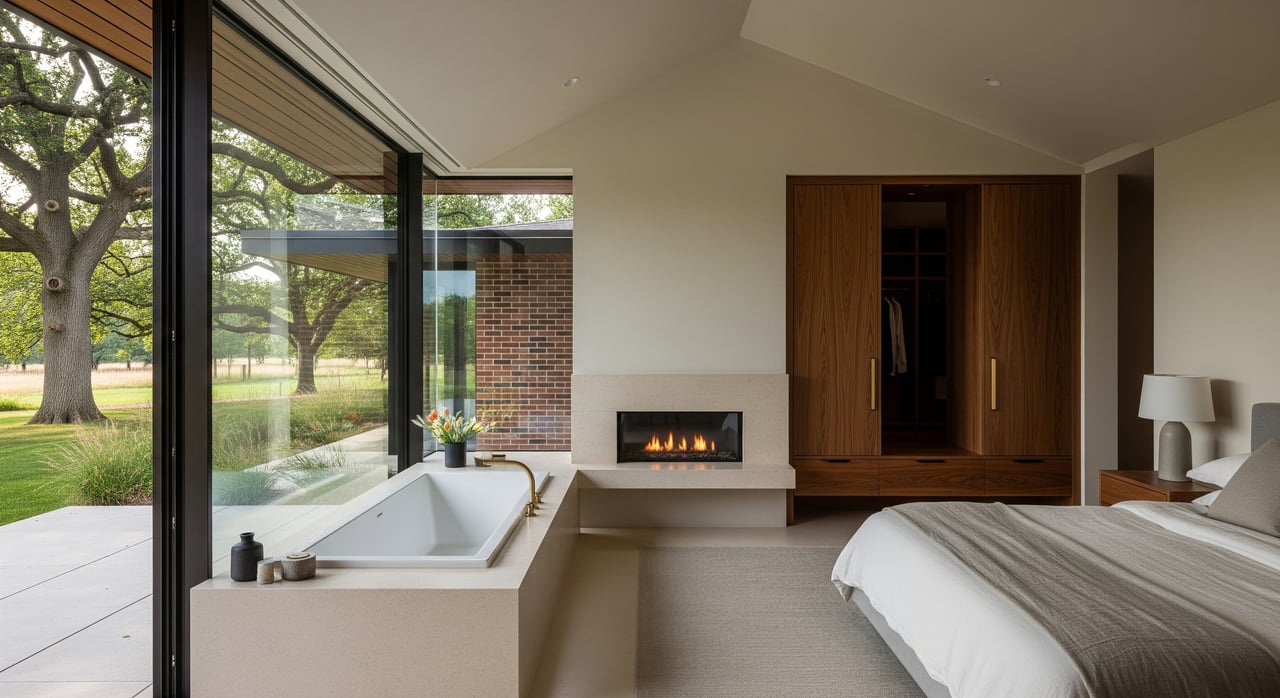
Thinking about carving out a true primary suite in your Prairie Village ranch? You are not alone. Many 1940s–50s ranch homes here were built without a modern en‑suite, and today’s buyers love the comfort and privacy of a well‑designed primary retreat. In this guide, you’ll learn the best ways to add a suite, what to expect with permits and construction, how it can affect resale, and which finishes make sense for Johnson County. Let’s dive in.
Why primary suites work in Prairie Village
Prairie Village is a mature, close‑in suburb with steady demand for updated homes. Many houses are mid‑century ranches on modest, tree‑lined lots, which makes thoughtful additions especially appealing. When you add a well‑planned primary suite, you improve daily comfort and increase your home’s appeal to move‑up buyers and relocating families.
Buyer expectations vary by price tier. At the entry and lower tiers, buyers want a clean, efficient en‑suite and better storage. In the mid tier, a true suite with a large shower or separate tub and shower, double vanity, and a walk‑in closet stands out. Upper tier buyers often expect a larger bedroom, spa‑style bath, custom closet systems, and cohesive design that respects the home’s character.
Three smart ways to add a primary suite
Rear or side bump‑out (single‑story)
A single‑story bump‑out adds space at the rear or side of your ranch. It’s a popular choice because it ties into the existing roofline and keeps construction straightforward.
Typical footprints:
- Small enlargement for a compact bath or closet: about 120–200 sq ft
- Moderate suite (bedroom, walk‑in closet, compact bath): about 200–350 sq ft
- Larger single‑story suite: about 350–500 sq ft
Pros:
- Lower cost and complexity compared to raising the roof
- Shorter timeline with simpler foundations and fewer structural changes
- Great for single‑level living and aging in place
- Minimal change to the front elevation
Cons:
- Reduces rear or side yard and can affect grading or drainage
- Requires careful roof tie‑ins and waterproofing
- Adds less total square footage than a full addition
Best for: You want single‑level living and a clean, functional suite without a major exterior transformation.
Dormer or partial second story
This approach alters the roof to create a dormer or a partial second level. It unlocks usable space where the attic was and often gives you more privacy and architectural interest.
Typical footprints:
- Small dormer with bedroom and bath: about 150–250 sq ft of usable space
- Partial second‑story primary suite: about 300–600+ sq ft, depending on scope
Pros:
- Preserves yard space
- Provides strong separation and headroom for a true retreat
- Adds perceived value and curb appeal when well integrated
Cons:
- Highest cost per square foot due to roof framing, stairs, and mechanical changes
- More disruption and visible exterior change, which may be reviewed more closely
- HVAC, plumbing, and structural reinforcement are more complex
Best for: You want to maximize indoor space and privacy without sacrificing yard, and you are comfortable with a more involved build.
Full rear addition
A larger rear addition creates a full primary wing with room for luxury features. Many homeowners pair it with a broader layout refresh, like opening up the living room or connecting to a new kitchen plan.
Typical footprints:
- About 400–900+ sq ft, with big suites and sitting areas often exceeding 500 sq ft
Pros:
- Maximum layout flexibility and room for a spa bath and generous closets
- Ideal for high‑end finishes and a cohesive plan across adjacent living areas
Cons:
- Highest total cost and longest timeline
- Can affect lot coverage, grading, and stormwater management
Best for: You’re planning a comprehensive upgrade and want a standout suite that aligns with the upper end of local comps.
Right‑size your suite: layout essentials
Prairie Village buyers like a primary bedroom that feels comfortable but not oversized. Aim for at least 12 ft by 14 ft for a practical layout. Many buyers prefer a width of 13 to 14 ft for better furniture placement and circulation.
For the bath, mid to higher tiers often look for a large walk‑in shower or a separate shower and soaking tub, a double vanity, and a separate water closet. Walk‑in closets around 6 to 8 ft deep with organized systems fit most homes well. If you plan to age in place, prioritize a single‑level suite with a curbless shower and minimal transitions.
Permits, structure, and building basics in Prairie Village
Additions require building permits and inspections. Plan to check setbacks, lot coverage, and any stormwater or grading requirements early. Some neighborhoods have covenants or design review, so confirm deed restrictions and any exterior design rules before you finalize your design.
Older ranches often have full or partial basements or crawlspaces. Your foundation type will guide whether your addition uses a continuous footing and stem wall or piers with grade beams. For larger additions or second levels, soil testing and structural engineering may be required.
Roof work ranges from new rafters and roof tie‑ins on a bump‑out to significant structural framing for dormers or a partial second story. Matching pitch, eave lines, and overhangs helps with water shedding and curb appeal. Any increase in impervious area can change drainage, so plan grading updates and keep the finished floor level consistent with the existing house to avoid interior steps.
Mechanical systems matter. Extending ductwork might mean upsizing your HVAC or adding a supplemental mini‑split heat pump. New bathrooms require waste and vent stacks; placing the bath close to existing plumbing can control costs. If you add substantial lighting or heated floors, you may need an electrical panel upgrade. New work must meet current energy code for insulation, windows, HVAC efficiency, and air sealing.
Your local checklist:
- City building permits and planning review for setbacks, lot coverage, and inspections
- Johnson County property records and zoning details as applicable
- Neighborhood covenants or design review, if your subdivision requires it
Budget, timeline, and finish choices
Plan for three phases: design and feasibility, permitting and engineering, and construction. Feasibility and design often take 2 to 6 weeks. Permitting and engineering can take another 2 to 6 weeks, longer if variances or extra reviews are needed.
Construction timelines vary by scope:
- Small bump‑out or en‑suite: about 6 to 12 weeks
- Moderate single‑story suite: about 10 to 16 weeks
- Dormer, partial second story, or large addition: about 16 to 28+ weeks
Build in a 10 to 20 percent time contingency for surprises like hidden rot, foundation issues, or remediation in older homes. Costs vary widely by scope and finish level. Single‑story bump‑outs are usually less costly per square foot than dormers or major additions. Include a 10 to 20 percent budget contingency and plan for site restoration like landscaping and driveway or sidewalk repairs.
Finishes that resonate in Prairie Village include wide‑plank wood or luxury vinyl plank in the bedroom, heated tile in luxury baths, quartz countertops, and a mix of matte black, brushed nickel, or warm brass fixtures. Organized walk‑in closets with built‑ins are expected at mid and higher tiers. For comfort and efficiency, consider LED lighting and a programmable thermostat. If extending HVAC is expensive, a mini‑split can be a smart, discreet option.
Resale: what adds value in Prairie Village
A primary suite usually improves livability and market appeal, but returns depend on your block, lot size, execution, and how the addition fits neighborhood norms. In stable, close‑in suburbs like Prairie Village, buyers respond to thoughtful updates that respect a home’s character while delivering modern convenience.
At the entry tier, a clean, updated primary bath with smart storage helps your home sell faster. In the mid tier, a complete bedroom, bath, and walk‑in closet can broaden your buyer pool and support stronger offers. At the upper tier, luxury features and cohesive architecture matter, but be careful not to overshoot neighborhood comparables. Preserving yard space and curb appeal also helps marketability.
The most reliable way to estimate value is to look at Prairie Village comps with similar additions or floor plans. Local appraisers and agents can help quantify the premium for a modern primary suite on your specific street. National remodel data often shows bathrooms recoup a large share of cost while big additions recoup less, but local design and execution make the difference.
Choosing the right contractor
The right team keeps your project on schedule and aligned with code and resale goals. Use this checklist when you interview contractors:
- Verify licensing, insurance, and local references for ranch additions and roof work
- Request a clear, line‑item bid, construction schedule, payment milestones, and a written change‑order process
- Confirm who handles permits and inspections, and which trades are subcontracted
- Ask for workmanship warranties and manufacturer warranties on installed systems
Next steps: map your best path
Start by clarifying your goals: single‑level living, yard preservation, privacy, or a higher‑end finish. Then match the approach to your lot, budget, and timeline. A small bump‑out might deliver just the right everyday comfort. A dormer or full rear addition can unlock bigger lifestyle gains when your property and budget allow.
If you want help weighing design choices against local comps, reach out to a team that lives and works in Prairie Village every day. For a friendly, concierge approach backed by deep neighborhood knowledge, connect with Blake & Associates. We will help you plan smart, move with confidence, and position your home for long‑term value.
FAQs
What permits do I need for a primary suite addition in Prairie Village?
- You will need building permits and inspections, and you must verify setbacks, lot coverage, and any stormwater or grading requirements; some neighborhoods also require covenant or design review.
How long does construction take for a Prairie Village ranch addition?
- Small en‑suite projects often take 6 to 12 weeks, moderate single‑story suites 10 to 16 weeks, and dormers or larger additions 16 to 28+ weeks, plus time for design and permitting.
Which approach adds a suite without losing yard space?
- A dormer or partial second story preserves the yard while adding separation and headroom, though it is typically more complex and costly per square foot.
How big should a functional primary suite be in a mid‑century ranch?
- Aim for a bedroom of at least 12 ft by 14 ft, a bath with a large shower or shower and soaking tub, a double vanity, and a 6 to 8 ft deep walk‑in closet.
Will I need to upgrade HVAC or electrical for the new suite?
- Often yes; extending ductwork may require upsizing the system or adding a mini‑split, and added lighting or heated floors can require an electrical panel upgrade.
What foundation work is typical for a bump‑out or addition?
- Most additions use a continuous footing and stem wall or piers with grade beams; your existing foundation type and soil conditions guide the design.
How does a primary suite addition affect resale in Prairie Village?
- A well‑designed suite usually improves appeal and marketability; returns vary by comps, lot size, and execution, so align scope and finishes with neighborhood norms.
Should I hire an architect or a design‑build contractor?
- Either can work; for complex structural or second‑story projects, an architect and engineer are often involved, while a design‑build contractor can streamline scope, cost, and permitting for many additions.