If you are thinking about buying a home in Kansas City’s Westport, you are probably looking for more than square footage. You may want walkability, character, and the kind of neighborhood where coffee, dinner, and a night out are all close by. Westport offers that mix, but it also comes with trade-offs you should understand before you buy. This guide will help you get a clearer picture of what living in Westport is really like, what kinds of homes you will find, and how to decide if the fit is right for you. Let’s dive in.
Why Westport feels different
Westport has deep roots in Kansas City history. Founded in 1833, it remained an independent town until the late 1890s before becoming part of Kansas City. According to Westport KCMO’s history overview, the old Town of Westport is generally bounded by 39th Street, 43rd Street, Main Street, and Southwest Trafficway.
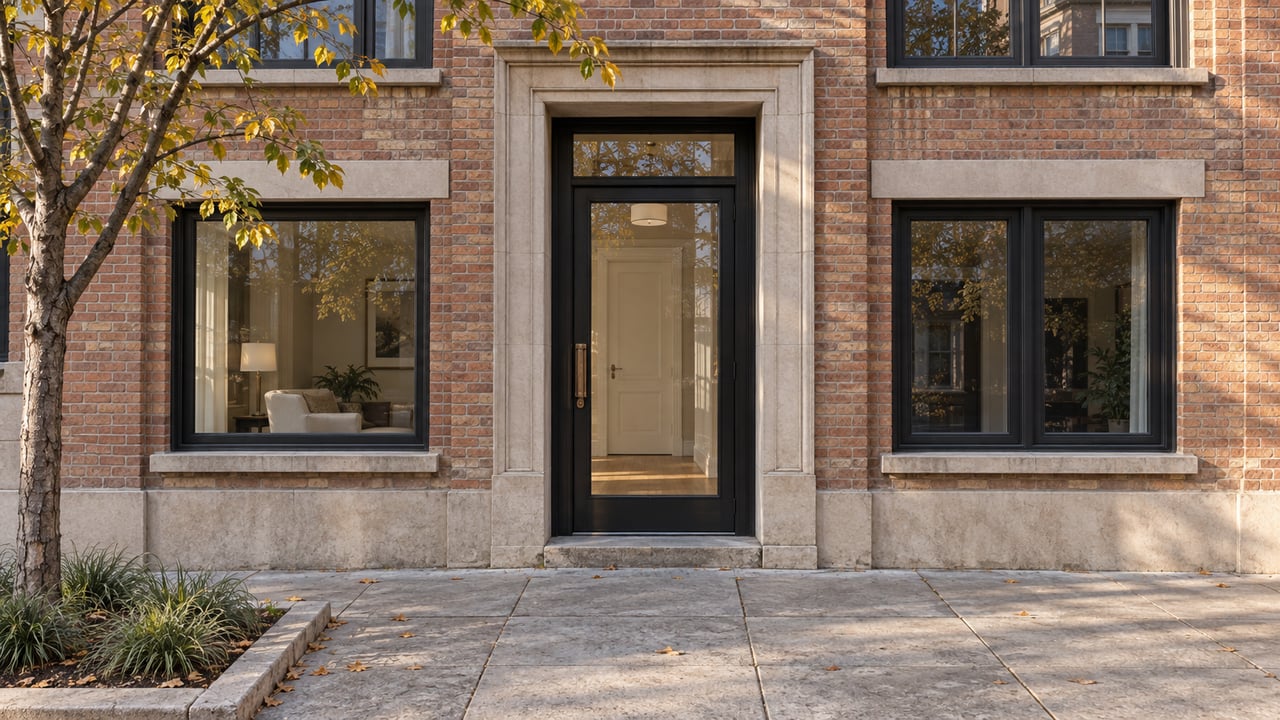
What makes the area stand out is its physical form. Westport has a different street grid, narrower streets, a dense built environment, and pedestrian-scale buildings that create a more urban feel than many other parts of the metro. That historic framework still shapes the experience of living there today.
Westport is also more than an entertainment district. A Westport Regional Business League planning document notes that the district includes more than 250 businesses, with 92% locally based, along with nearly 3,000 employees, more than 1,000 residents, and about 2 million annual visitors. For buyers, that means you are choosing a neighborhood with steady activity, strong local business support, and an identity that has been intentionally maintained over time.
What types of homes are in Westport?
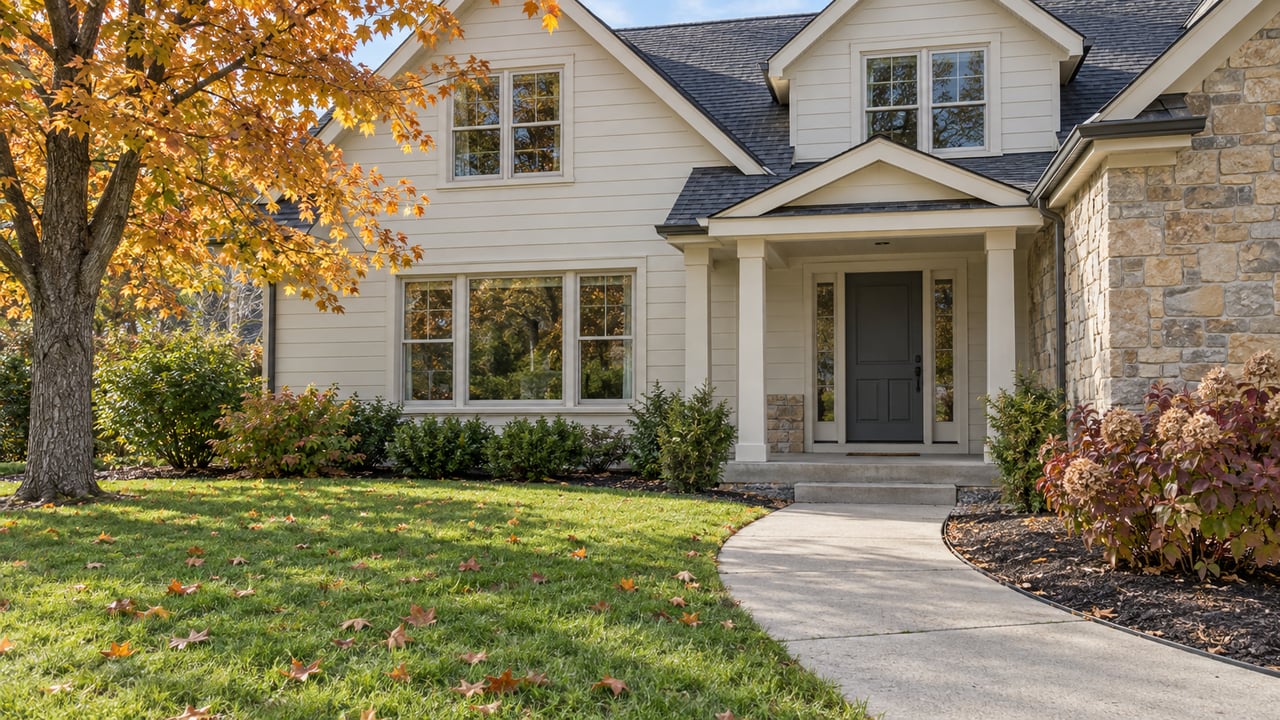
One of the biggest surprises for buyers is that Westport does not offer just one housing style. Instead, you will find a mix of historic single-family homes, duplexes, apartment buildings, loft-style condos, and newer residential development. That variety can be a plus if you want options beyond the standard suburban layout.
The 2017 Westport Historic Resources Survey examined 406 resources in the area and found 177 domestic properties. Of those domestic properties, 80% were single-family dwellings. Most of those homes were built between 1890 and 1930, which helps explain why so much of Westport has architectural character and a distinctly established feel.
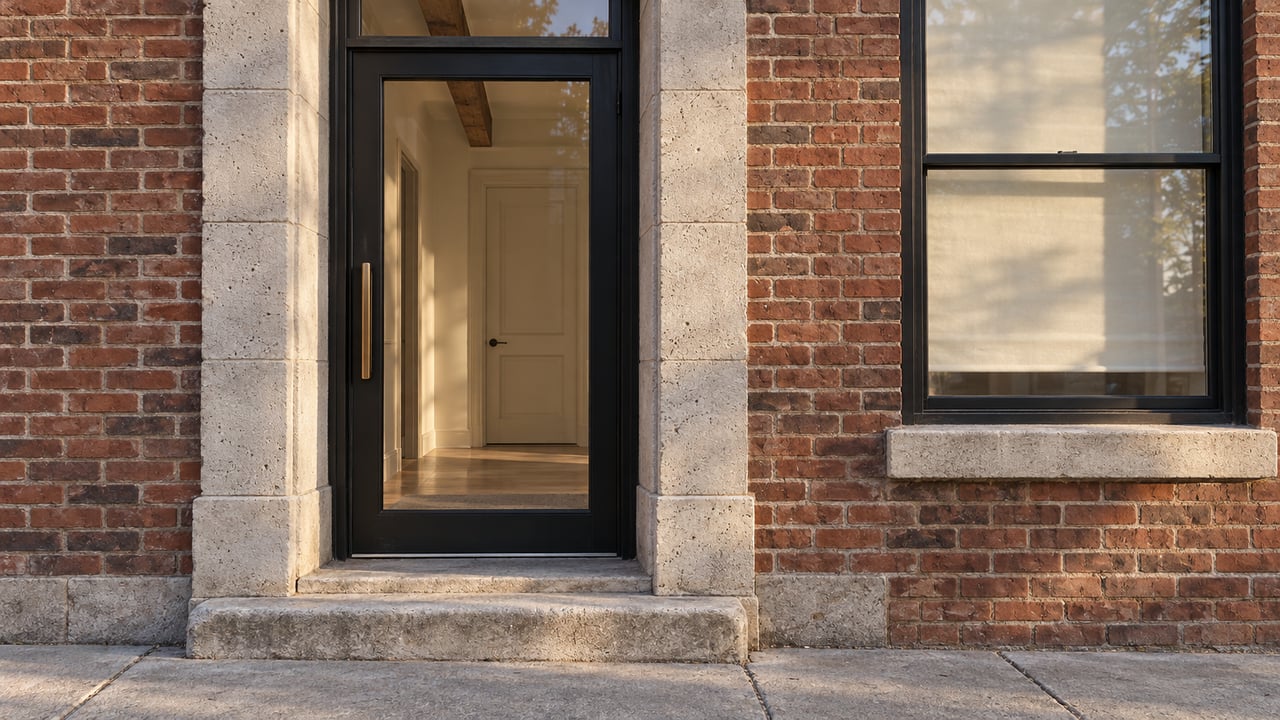
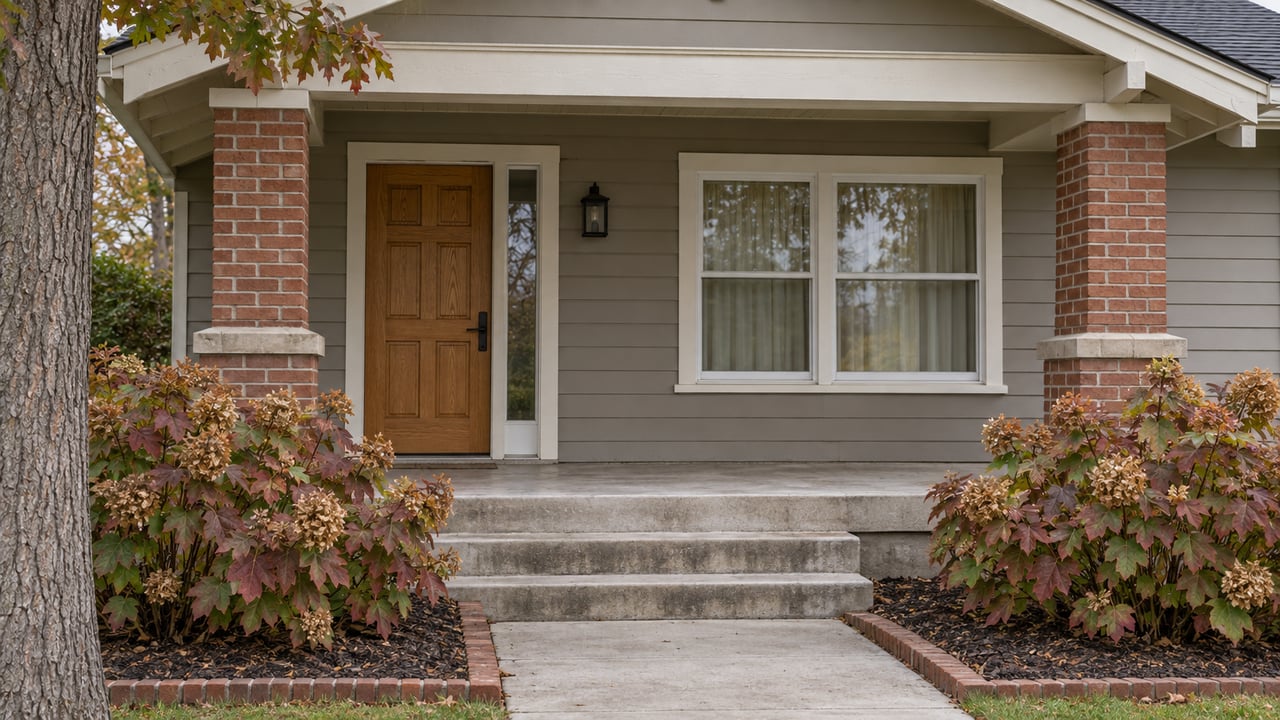
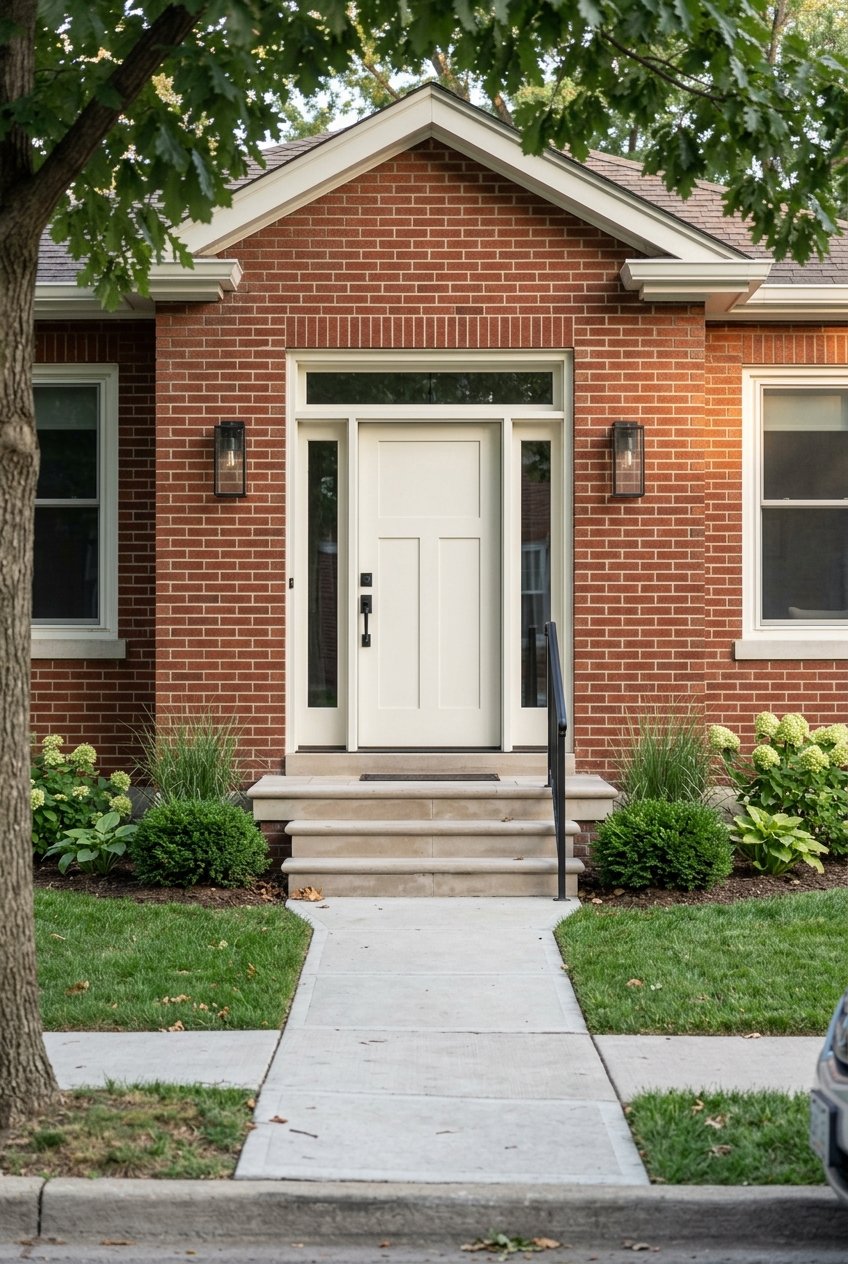
These homes are often one to three stories tall and commonly use frame construction with wood, stone, or brick cladding. The survey notes that many are located on secondary streets rather than the main commercial corridors. If you are hoping for an older home with original charm, those side streets may be where you want to focus your search.
Westport also includes multifamily options across several eras. The same survey documents duplexes, apartment buildings from the early 1900s, mid-century apartment properties, and later apartment complexes. More recent mixed-use projects and infill development have added even more variety to the local housing stock.
Current residential options highlighted by the district itself reflect that mix. The Westport business directory points to places like 41 Penn, a mid-rise loft-style condo building, along with apartment communities such as Cold Water Flats and Westley on Broadway. In practical terms, Westport can work for buyers who want historic details, a condo lifestyle, or a more contemporary low-maintenance setup.
What daily life in Westport is really like
Westport has a distinct rhythm, and it is important to picture your normal week, not just a Saturday afternoon showing. During the day, the area is active with residents and visitors. At night, the neighborhood becomes more energized as restaurants and bars fill up, according to Westport KCMO.
For some buyers, that energy is exactly the draw. Being able to step out your front door and quickly reach restaurants, coffee shops, shopping, and entertainment can make everyday life feel easier and more connected. Visit KC’s Midtown and Westport guide highlights the area’s wide mix of dining, retail, and attractions, which shows how integrated residential and commercial life really is here.
For other buyers, that same energy may feel like a downside. Weekend evenings can be lively, and the neighborhood may feel less predictable than a quieter residential area. If you are considering a home near the main commercial streets, it is smart to visit at different times of day so you can experience the pace for yourself.
Parking and getting around
Parking is one of the most important quality-of-life factors in Westport. The neighborhood’s compact layout and visitor traffic mean you should pay close attention to how a specific property handles parking, especially if you own more than one car or often host guests.
According to the official Westport parking page, the district includes 427 on-street spaces with two-hour daytime restrictions and 24 off-street parking locations with 1,365 public spaces. There are also weekend pedestrian-zone restrictions that limit vehicle access on parts of Westport Road, Pennsylvania Avenue, and Archibald Street from late evening until 3 a.m.
That setup works well for many people, but it does require planning. The same source notes that more than 40% of visitors use rideshare, buses, bicycles, or taxis. Westport is also served by RideKC routes 35, 39, 47, and Main MAX, which can be helpful if you prefer a less car-dependent lifestyle.
If you are buying in Westport, parking should be part of your decision, not an afterthought. A condo with assigned parking or a house with a more practical parking setup may offer a smoother day-to-day experience and stronger resale appeal later.
Who Westport tends to fit best
Westport is usually a strong fit if you value walkability, historic character, and convenience. Buyers who enjoy being close to restaurants, local businesses, and entertainment often appreciate what the neighborhood offers. The housing mix also supports buyers who want lower-maintenance living, especially in condos, lofts, or other attached-home formats.
It can also appeal to buyers who genuinely like urban neighborhoods with personality. Westport’s local business base, pedestrian scale, and long-standing identity give it a lived-in, established feel that can be hard to replicate in newer developments.
At the same time, Westport is not the easiest fit for every lifestyle. If you want a large lot, consistently quiet evenings, or simple curbside parking at all hours, the neighborhood may feel challenging. The same traits that make Westport exciting are often the ones that require the most adjustment.
What to watch for when buying
Because Westport’s housing stock spans many decades, property condition and livability details matter a lot. Older homes can offer charm, but you will want to look closely at upkeep, layout, and how well the home supports modern living. A beautiful historic exterior is only one part of the equation.
For condos and attached properties, focus on the daily comfort factors that matter most in a dense mixed-use district. Things like parking access, building maintenance, and sound considerations can have a big impact on how much you enjoy the home over time. These same features can also affect resale.
It is also worth noting that Westport’s character is being actively managed. The area’s planning framework and the city’s 2023 overlay district standards are designed to support smaller-scale, pedestrian-oriented development, including three-story height caps near Westport Road and Pennsylvania Avenue. Combined with the historic survey’s observation that newer infill in the commercial core has generally been sensitive to surrounding scale, that suggests a pattern of gradual change rather than abrupt transformation.
Resale potential in Westport
No neighborhood guarantees resale outcomes, but Westport does have several characteristics that can support long-term appeal. Its historic identity, strong local business base, and continued planning attention all contribute to a sense of staying power. Buyers are not just choosing a home here. They are buying into a district with a clear identity.
That said, not all properties will perform the same way. In a neighborhood like Westport, homes and condos that solve common urban pain points are often easier to market. Parking, sound control, manageable maintenance, and a location that balances convenience with livability can all matter when it is time to sell.
If resale is part of your long-term thinking, try to buy the property that fits the neighborhood well while still making everyday life easier. In Westport, that often means choosing a home that delivers character and location without creating avoidable friction.
Smart questions to ask before you buy
Before you move forward on a Westport home, it helps to ask a few practical questions:
- How does the street feel during the day, at night, and on weekends?
- What parking comes with the property, if any?
- Is the home on a quieter secondary street or closer to the busiest commercial blocks?
- If the property is older, what updates or repairs have already been completed?
- If it is a condo or loft, what does day-to-day access and maintenance look like?
- Does this home support the lifestyle you want a year from now, not just today?
These questions can help you move beyond first impressions and focus on real fit.
Westport can be a fantastic place to buy if you want a home with personality and a neighborhood that feels active, local, and connected. It is not a one-size-fits-all area, and that is exactly the point. If you want help comparing Westport with other Kansas City neighborhoods or narrowing in on the right property type for your lifestyle, the team at Blake & Associates is here to guide you with clear advice and concierge-level support.
FAQs
What is the Old Westport area in Kansas City?
- Old Westport is the historic core of Westport, generally bounded by 39th Street, 43rd Street, Main Street, and Southwest Trafficway, according to Westport KCMO.
What kinds of homes can you buy in Westport Kansas City?
- Westport offers a mix of historic single-family homes, duplexes, apartment-style residences, loft-style condos, and newer residential development.
Is Westport Kansas City a walkable place to live?
- Westport is known for its pedestrian-scale streets, dense layout, and close access to restaurants, retail, and entertainment, which can support a walkable lifestyle.
What should buyers know about parking in Westport Kansas City?
- Buyers should know that Westport has limited on-street parking, public off-street parking options, and weekend pedestrian-zone restrictions in parts of the district, so parking setup is an important factor when choosing a home.
Is buying a home in Westport Kansas City good for resale?
- Resale can benefit from Westport’s historic identity and strong local business base, but properties with practical advantages like parking, sound control, and manageable maintenance may be easier to market.