Wondering why one Brookside home feels storybook charming while another feels neat, classic, or surprisingly efficient inside? If you are shopping in Brookside, those differences are not random. They come from the neighborhood’s early planned development and the architectural styles that still shape how homes look, live, and age today. This guide will help you recognize the most common Brookside home styles, understand what they often mean for layout and upkeep, and feel more confident as you tour homes. Let’s dive in.
Why Brookside Homes Feel Distinct
Brookside is part of Kansas City’s broader Country Club District, and its housing stock reflects early-20th-century planned-suburb development. That matters because the neighborhood tends to feel cohesive rather than scattered in style and scale.
Brookside is also tied to Kansas City’s first suburban shopping area, with the first group of neighborhood shops beginning in 1919 and the district now home to more than 90 shops, restaurants, and offices. At the same time, buyers were historically drawn to the area by smaller modern homes without servant quarters, which helps explain why so many homes here feel practical, compact, and livable.
The Main Brookside Home Styles
If you are touring homes in Brookside, three styles tend to stand out most clearly: Tudor Revival, Craftsman bungalow, and Colonial Revival. You may also see related styles and hybrids nearby, so it helps to know the main visual clues.
Tudor Revival Homes
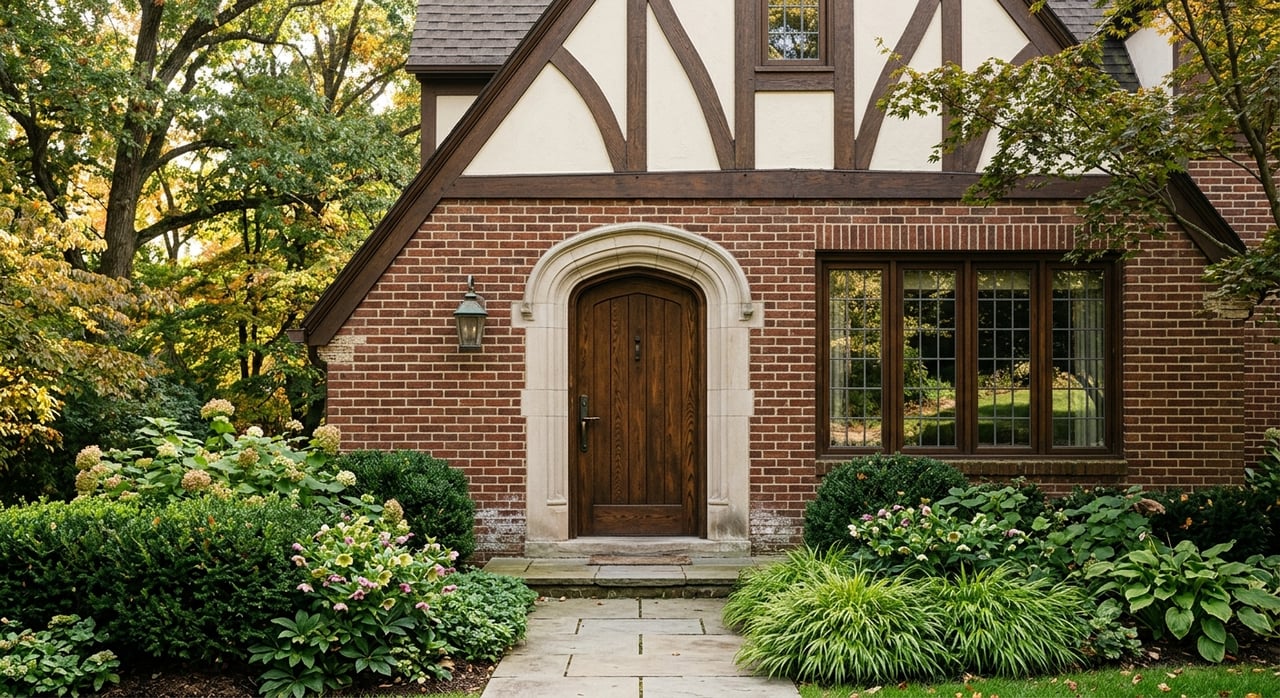
Tudor Revival homes are usually the easiest to spot from the curb. They often feature steeply pitched roofs, half-timbering, masonry or stucco exteriors, and a more vertical, detailed look than other common Brookside styles.
In practical terms, a Brookside Tudor may feel taller and more visually dramatic than the house next door. If you like architectural detail and a strong exterior presence, this is often the style that catches your eye first.
Craftsman Bungalows
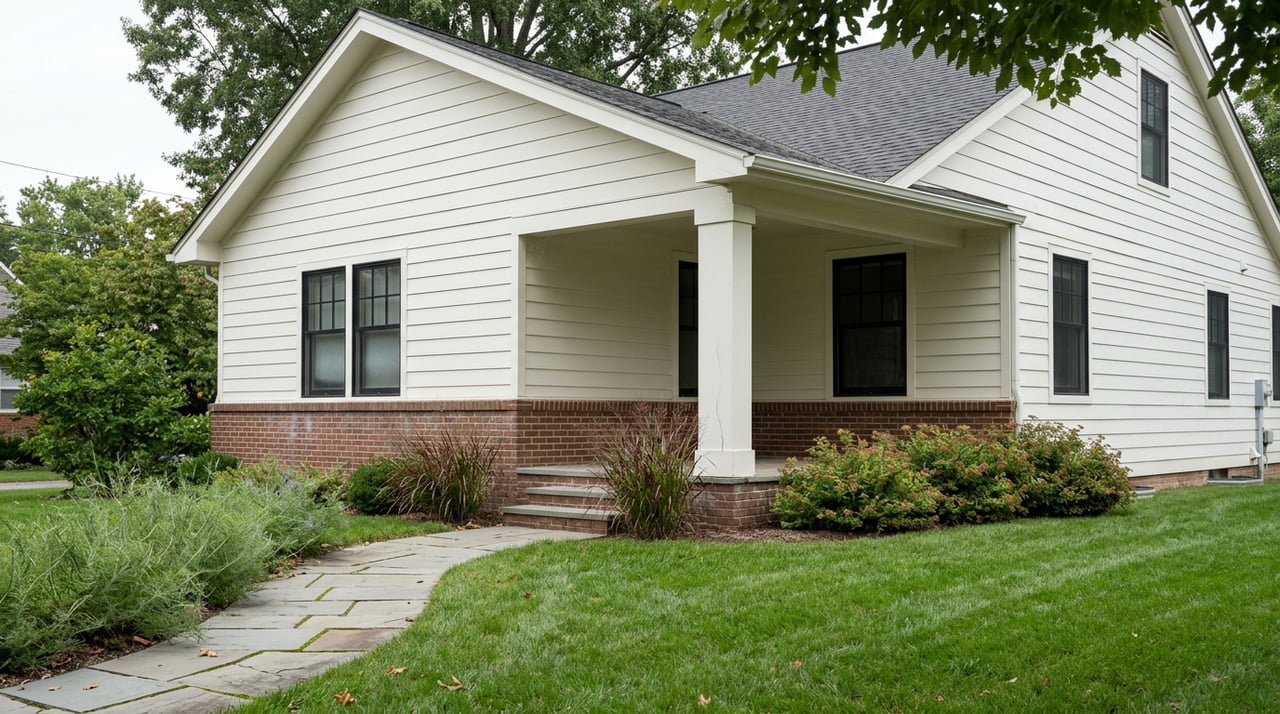
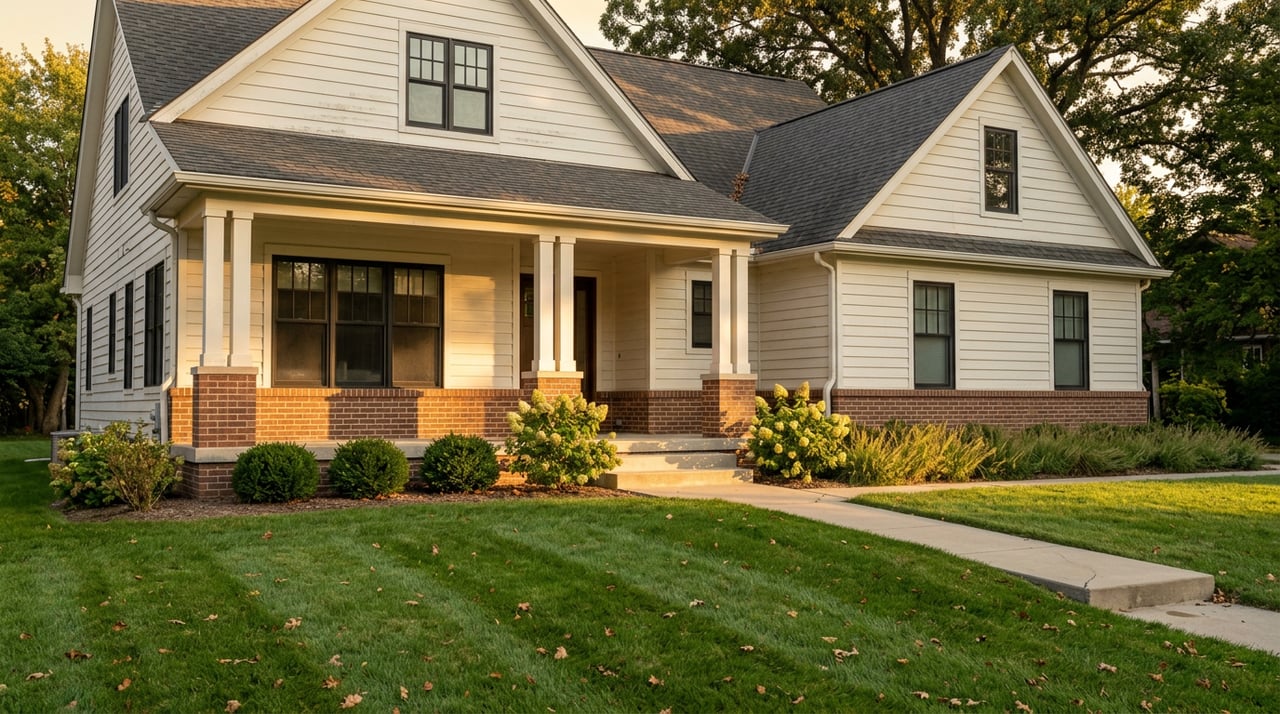
Craftsman bungalows are one of the major local home categories in Brookside-area survey work. These homes typically have broad gables, porch-centered facades, and a low-rise, compact profile.
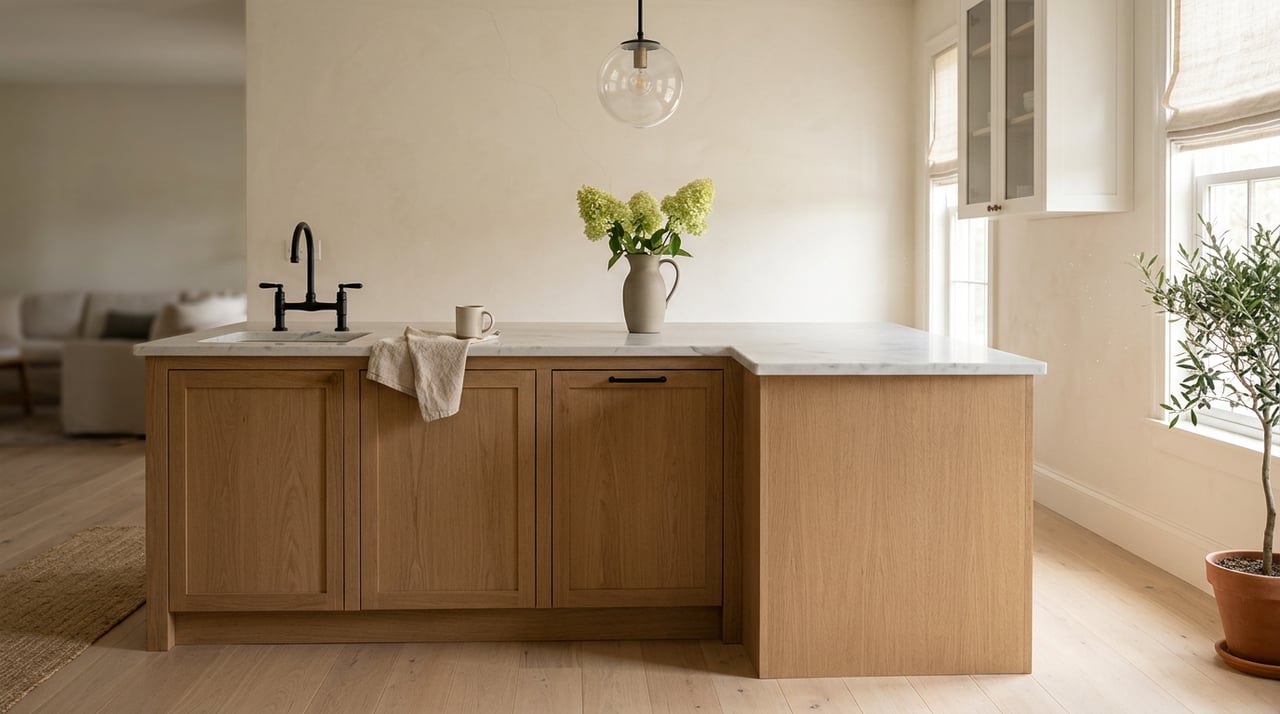
Inside, bungalow plans were often designed to feel more open than older layouts, with living and dining spaces connected more directly. That usually means the home can look modest from the street but feel efficient and comfortable once you walk in.
Colonial Revival Homes
Colonial Revival homes bring a more formal look to the neighborhood. Common features include symmetry, side-gabled or hipped roofs, pedimented entries, columns or pilasters, fanlights, and double-hung windows.
For you as a buyer, that often translates into a more orderly exterior and an interior layout that reads as more traditional than open-concept. If you prefer clean lines and classic curb appeal, Colonial Revival homes may feel especially familiar.
Other Styles You May See
Brookside is not limited to just three architectural types. Survey work in the area also identifies Prairie, American Foursquare, Kansas City Shirtwaist, Dutch Colonial, and Georgian Revival homes.
That means you should expect variation. Some homes are clear examples of one style, while others borrow from neighboring style families or show blended features that reflect the neighborhood’s long development history.
What Brookside Lots and Streetscapes Share
Even when the home styles vary, Brookside often feels visually connected block to block. Brookside-area survey work found common patterns such as rectangular houses, many at two-and-one-half stories, built with brick, stone, stucco, and wood, often with stone basements.
You will also notice mature trees, lawns, uniform setbacks, and smaller outbuildings or rear garages. In parts of the broader Brookside area, lot patterns around 6,000 to 8,000 square feet and front setbacks of roughly 34 to 50 feet help reinforce that established residential feel.
Why Front-Yard Presence Matters
In Brookside, curb appeal is often less about a front-facing garage and more about the house itself. Porches, entries, rooflines, windows, and front-yard setbacks do a lot of the visual work.
That gives many streets a more settled and pedestrian-friendly look. If you are comparing Brookside to newer neighborhoods, this is one of the biggest reasons the area feels different right away.
What Home Style Can Tell You About Layout
Architecture does not tell you everything about a house, but it often gives you helpful clues. In Brookside, style can hint at how a home may function before you even step inside.
A Tudor Revival home may feel taller and more segmented. A Craftsman bungalow may offer a compact footprint with efficient common spaces. A Colonial Revival home may lean toward a more formal floor plan and a more symmetrical room arrangement.
Size and Scale Expectations
Because Brookside developed around smaller modern homes, many properties feel manageable rather than oversized. That does not mean every house is small, but it does mean scale is often tied to practical early suburban design.
For buyers, this can be a plus. You may find homes with strong character and livability without the footprint of a much newer build.
Renovating a Brookside Home Thoughtfully
If you are thinking about updates, Brookside homes are usually best approached with compatible improvements rather than major exterior reinvention. The goal is often to preserve what gives the home its identity while making it work better for modern living.
Kansas City’s Historic Preservation Commission says exterior work on local landmarks and historic districts requires a Certificate of Appropriateness so changes remain compatible with the building’s architectural character. At the same time, Missouri SHPO notes that National Register listing by itself does not restrict private property.
Historic Rules Are Property-Specific
This is an important point for buyers and owners. Not every Brookside home is subject to the same review process, because local oversight depends on whether a specific property is in a local landmark or historic district.
There are also local rules in some overlay areas that are intended to be flexible enough to let homeowners meet their needs without dictating architectural styles. If renovation potential matters to you, it is smart to confirm the specific status of a home before you make plans.
Tax Credit Possibilities
For some qualifying rehabilitation projects, Missouri SHPO says state and federal historic tax credit programs may be available. These programs are not automatic, but they can be relevant if you are considering substantial work on an older property.
What Buyers Should Inspect Closely
Older homes can offer great character, but they also reward careful due diligence. In Brookside, the most useful first-look items are usually the features most tied to the home’s style and long-term upkeep.
Pay close attention to:
- Roof condition
- Chimneys
- Porch structure
- Windows
- Exterior masonry or stucco
- Wood trim
These are the areas most connected to the architectural character highlighted in preservation surveys and style descriptions. They are also the spots where deferred maintenance is often easiest to see.
Why Brookside Homes Stay Desirable
Brookside’s appeal is about more than architecture alone. The neighborhood combines a preserved residential character with a long-running commercial district and a location that continues to attract buyers.
A Brookside-area city ordinance describes the neighborhood’s preserved character and location as factors that make it a consistently high market performer in metropolitan Kansas City. In plain English, buyers keep showing up because these homes offer a mix of charm, history, and everyday convenience that is hard to duplicate.
How to Tour Brookside Homes Smarter
When you walk into a Brookside home, try to look beyond finishes alone. Paint colors and staging can change quickly, but architectural bones usually tell you more about how the home will live over time.
As you tour, ask yourself:
- Does the exterior style match what you want emotionally and practically?
- Does the layout feel efficient, formal, or segmented in a way that fits your lifestyle?
- Are the visible character features in solid condition?
- If updates are needed, do they look compatible with the home’s original design?
That quick filter can help you compare homes more clearly and avoid falling in love with a look that does not match your needs.
If you want help sorting through Brookside’s older housing stock, style differences, and renovation considerations, Blake & Associates can help you tour with a clear strategy and local insight.
FAQs
What home styles are most common in Brookside Kansas City?
- Brookside-area surveys consistently show Craftsman/Bungalow, Prairie, American Foursquare, Colonial Revival, and Tudor Revival as core housing families.
How can you identify a Tudor Revival home in Brookside?
- Look for steeply pitched roofs, half-timbering, stucco or masonry exteriors, and a taller, more visually detailed appearance.
What makes a Craftsman bungalow different in Brookside?
- Brookside Craftsman bungalows usually have broad gables, a porch-focused front, a lower profile, and an efficient interior layout with connected main living spaces.
What does a Colonial Revival home look like in Brookside?
- Colonial Revival homes often feature symmetry, traditional rooflines, formal entries, columns or pilasters, and double-hung windows.
Are all Brookside homes in historic districts?
- No. Local review depends on whether a specific property is in a local landmark or historic district, and National Register listing alone does not control private property.
What should buyers inspect first in a Brookside home?
- Start with the roof, chimney, porch structure, windows, and exterior masonry or stucco because those features are closely tied to both style and maintenance.
Why do Brookside homes feel different from newer neighborhoods?
- Brookside’s planned early development, mature trees, uniform setbacks, rear garages, and architecture-led curb appeal create a more established residential feel than many newer areas.
Can you renovate a Brookside home without changing its character?
- Yes. Many updates are best approached as compatible improvements that respect the home’s architectural style while improving how it functions for modern living.